 Business License

Introduction to Ultraviolet (UV)
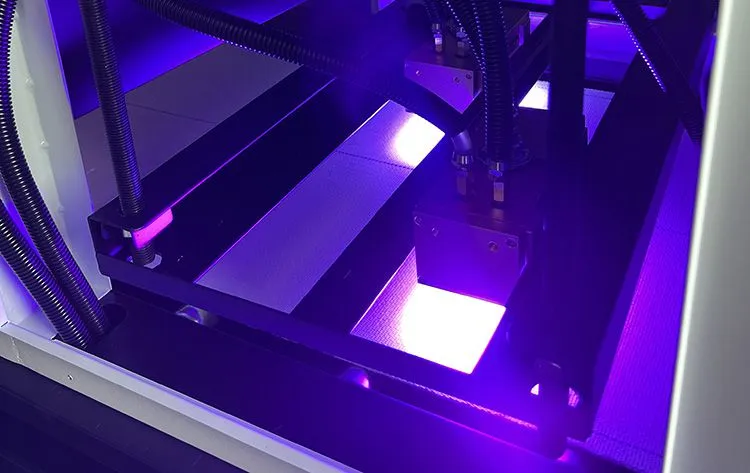
UV Curing is a type of radiation curing. Radiation curing is a chemical process that uses electromagnetic radiation, such as ultraviolet (UV) or electron beam (EB) to irradiate coatings, initiate radiation polymerization, radiation cross - linking, and radiation grafting reactions, etc., transforming low - molecular - weight substances into high - molecular - weight products. Curing does not directly occur on the heated substrate. The system contains little or no solvent. After curing, the irradiated liquid film is almost 100% solid, with low volatile organic compound (VOC) emissions. Therefore, since the late 1960s, this technology has developed rapidly worldwide, and its products have been widely used in many industries.
Ultraviolet (UV) belongs to electromagnetic radiation. The electromagnetic spectrum includes radio waves, infrared rays, visible light, ultraviolet rays, X - rays, and gamma rays, etc., with a wavelength range from 10m to 10⁻¹⁴m to 10⁶m. Among them, ultraviolet rays have a very narrow wavelength range and can be divided into long - wave ultraviolet (UVA), medium - wave ultraviolet (UVB), short - wave ultraviolet (UVC), and extreme - short - wave ultraviolet. The shorter the wavelength, the stronger the energy and the weaker the penetration. Long - wave UVA, with a wavelength between 320nm and 400nm, has strong penetration and can pass through glass. The energy of ultraviolet rays and most chemical bonds can easily undergo photochemical reactions. Usually, the light - curing process uses UVA. Medium - wave UVB, with a wavelength between 280nm and 320nm, has weaker penetration and stronger absorption by glass. Sunlight is rich in UVA and UVB rays. Short - wave ultraviolet rays, with a wavelength between 200nm and 280nm, are strongly absorbed by the ozone layer. So, solar ultraviolet rays are absorbed by the ozone layer before reaching the ground. UVC has a strong destructive effect on organisms and can kill bacteria and viruses. Therefore, ultraviolet glue - curing lamps can be used for disinfection.
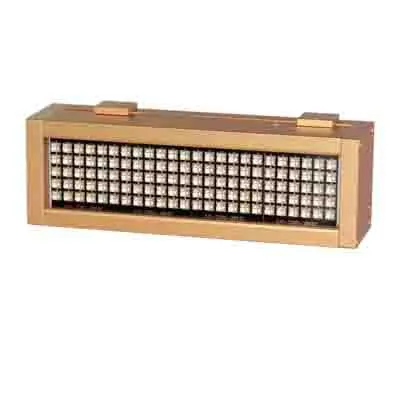
Ultraviolet rays can harm the skin and eyes. UVA can make the skin dark, loose, and wrinkled. UVB rays can cause diseases such as acute dermatitis (sunburn). The skin will turn red and hurt, and long - term exposure is also likely to cause skin cancer. Therefore, during light - curing operations, the following protective measures should be taken: (1) Properly shield the equipment. UV curing machines and UV light sources should not be easily exposed. (2) Take appropriate personal protection measures, such as wearing long - sleeved clothes and fabric work gloves, anti - ultraviolet glasses, and masks, and do not look directly at the light bulb.
Recently Posted
-
Basic Knowledge of LED UV Curing Lamp Spectra
January 4, 2026Hello everyone, I have been working in this field for many years and have a basic understanding of relevant knowledge about LED UV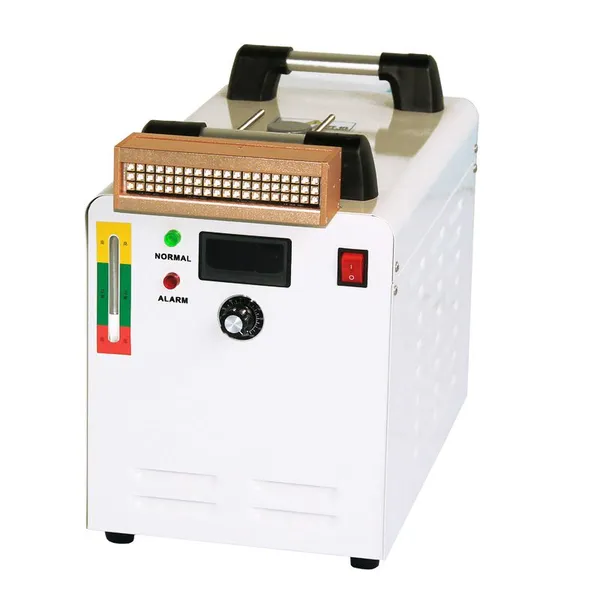 Read More
 -
Advantages of Single Wavelength in LEDUV Curing Lamps
January 4, 2026Wavelength plays a crucial role in LEDUV curing, with different wavelengths tailored to specific applications. Let’s explore the f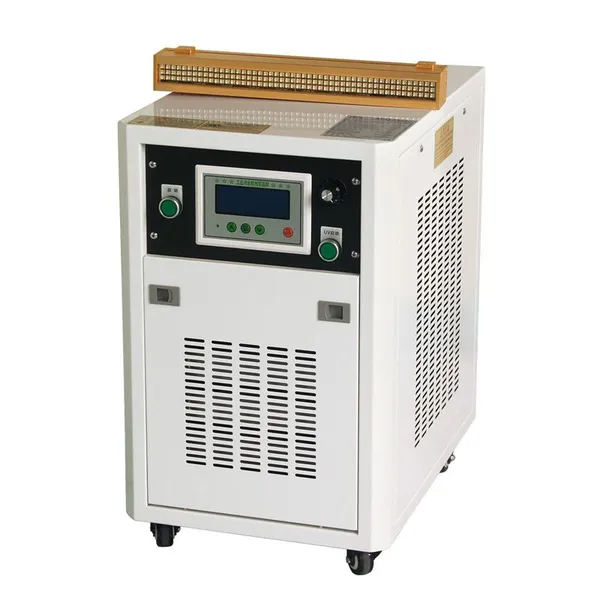 Read More
 -
Is LED UV Harmful to Human Health?
January 4, 2026LED UV has many functional advantages, but does it have any impact on human health during use, and what are the specific manifesta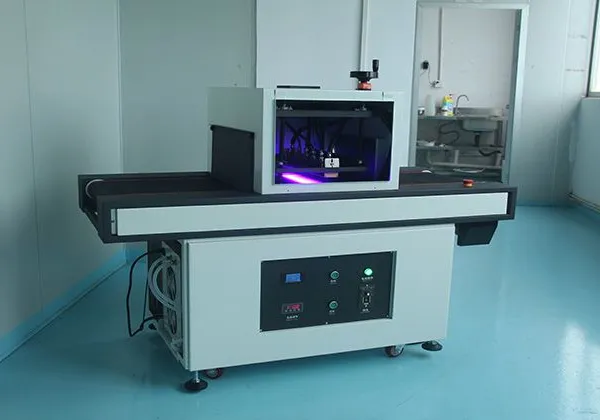 Read More

Contact Us
Recommended Products
-
 Power 1500w Led uv Curing LightNegotiableMOQ: 1 Combo
 -
Green and Environmentally Friendly LED UV Curing MachinesUS$ 990 - 2000MOQ: 1 Combo
-
Advantages of Single Wavelength in LED UV Curing LampsUS$ 10000MOQ: 1 Combo
-
Is LED UV Harmful to Human Health?US$ 10000MOQ: 1 Combo
-
Advantages of Single Wavelength in LED UV Curing LampsUS$ 10000MOQ: 1 Combo