 Business License

Advantages of Single Wavelength in LEDUV Curing Lamps
Wavelength plays a crucial role in LEDUV curing, with different wavelengths tailored to specific applications. Let’s explore the functions of wavelengths in LEDUV curing lamps.
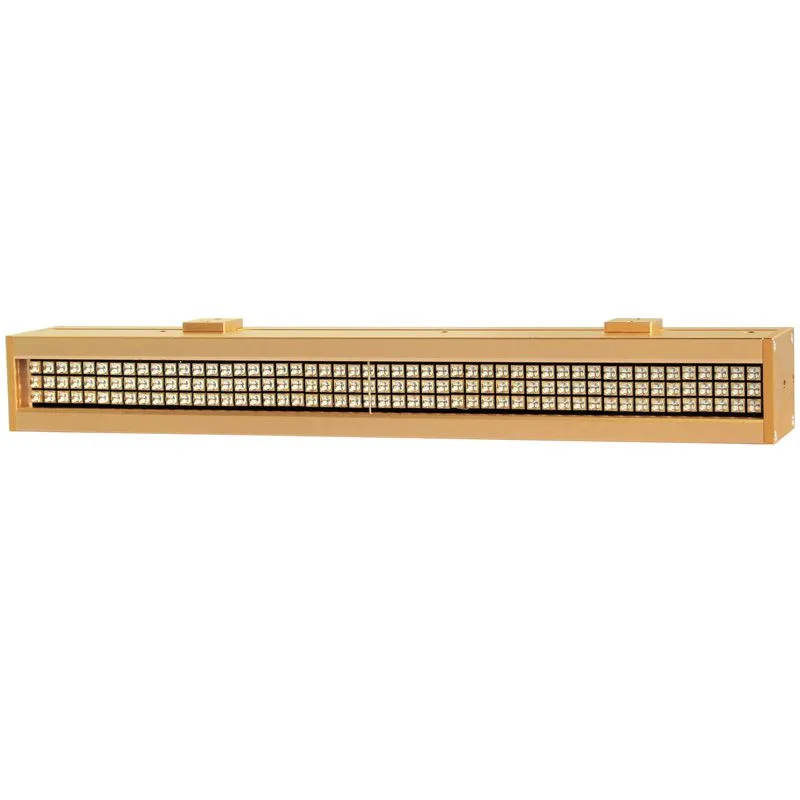
LEDUV is a single-wavelength invisible light, typically below 405nm, primarily 365nm and 395nm. The shorter 365nm wavelength operates at deeper layers, while the longer 395nm wavelength operates on the surface of inks or coatings. This is because shorter wavelengths are absorbed at the surface and cannot reach deeper layers. Insufficient exposure to short wavelengths leads to a sticky surface, while insufficient energy from long wavelengths results in poor adhesion. When curing UV inks and UV adhesives, a pure wavelength light source is provided, with specific wavelength absorption peaks matching specific curing requirements. Energy is concentrated at the effective wavelength, ensuring precise curing and minimizing waste.
In contrast, traditional mercury lamps emit energy across both wavelength ranges as mixed wavelengths. They deliver strong energy in the short-wavelength range, but most long-wavelength energy is unused for curing, with only a small portion of relevant wavelengths contributing to the process—resulting in high energy consumption. This is undesirable in today’s era of energy conservation and environmental protection.
For many highly specialized applications—such as curing materials containing large amounts of pigment additives like titanium oxide, or curing through plastic or glass—long-wavelength curing is essential. These materials almost completely block short wavelengths, making pure wavelength light sources (i.e., LEDUV light sources) the only viable option.
Recently Posted
-
Introduction to Ultraviolet (UV)
April 21, 2026UV Curing is a type of radiation curing. Radiation curing is a chemical process that uses electromagnetic radiation, such as ultra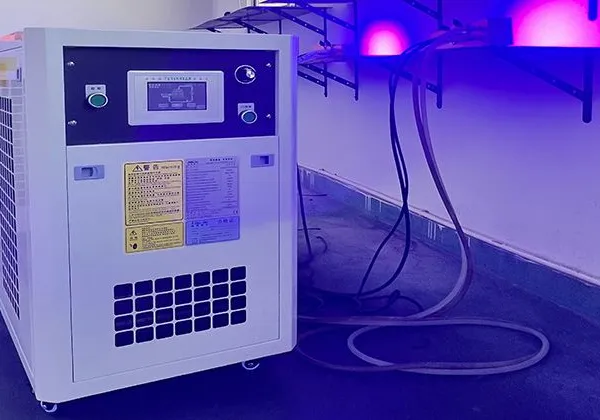 Read More
 -
Basic Knowledge of LED UV Curing Lamp Spectra
January 4, 2026Hello everyone, I have been working in this field for many years and have a basic understanding of relevant knowledge about LED UV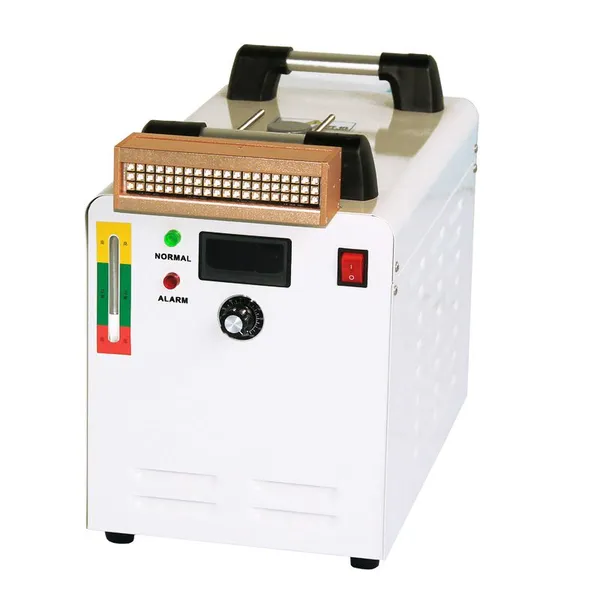 Read More
 -
Is LED UV Harmful to Human Health?
January 4, 2026LED UV has many functional advantages, but does it have any impact on human health during use, and what are the specific manifesta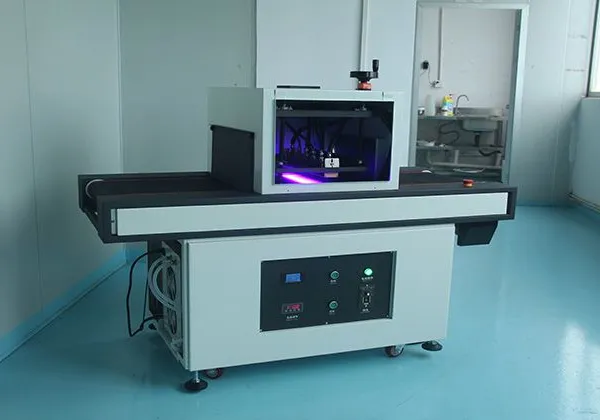 Read More

Contact Us
Recommended Products
-
 Power 1500w Led uv Curing LightNegotiableMOQ: 1 Combo
 -
Green and Environmentally Friendly LED UV Curing MachinesUS$ 990 - 2000MOQ: 1 Combo
-
Advantages of Single Wavelength in LED UV Curing LampsUS$ 10000MOQ: 1 Combo
-
Is LED UV Harmful to Human Health?US$ 10000MOQ: 1 Combo
-
Advantages of Single Wavelength in LED UV Curing LampsUS$ 10000MOQ: 1 Combo